In brief
A Kansas teacher was arrested after clapping in protest over a proposed AI data center at a public hearing.
Communities across the U.S. are increasingly pushing back against AI infrastructure over energy, water, and local impacts.
Public opposition is becoming one of the biggest hurdles to the AI industry’s rapid data center expansion.
A Kansas high school physics teacher was arrested and carried out of a city commission meeting after expressing support for opponents of a proposed AI data center, according to a report by local broadcaster KWCH.
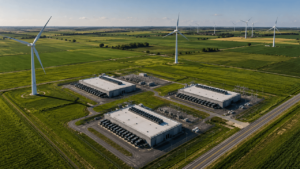
Lux Claridge, a physics teacher at Emporia High School, was handcuffed after applauding several times in support of a speaker criticizing the proposed 1,000-acre Flint Hills Digital Campus.
Emporia city commission reportedly warned attendees before the meeting that clapping, snapping, and other demonstrations would be considered disruptions. After a final warning, police removed Claridge from the chamber as the meeting continued.
“I’m glad to be out—but this is an inconvenience, really,” Claridge told KWCH after posting bail. “It’s not really deterring me from speaking out or, I guess, clapping.”
The Emporia Police Department said it remains committed to ensuring public meetings are conducted safely while respecting residents’ rights to participate in the civic process. Claridge plans to plead not guilty when he appears in court in September.
“This isn’t going to hold up in court. Lux is going to fight them on that,” Claridge’s brother David Claridge told KWCH. “I’m looking at avenues to get these people recalled. This is insane to me.”
While the Emporia city commission ultimately approved the zoning changes needed for the project, AI data center projects have drawn public opposition in several states over issues including electricity consumption, water use, noise, and tax incentives. Developers argue the facilities are needed to support artificial intelligence services, while residents in some communities have questioned how the projects could affect local infrastructure and resources.
The arrest comes amid increasingly organized opposition to AI data centers across the United States.
In January, a Brookings report warned local concerns over electricity demand, water use, and noise were affecting proposed developments. As concern grew, in April 2026, Maine lawmakers approved legislation that would have temporarily paused construction of large AI data centers while policymakers considered their impact on local communities.
Earlier this month, Reuters reported that opponents held 142 protests across 42 states in what was described as the first coordinated nationwide demonstrations against the rapid expansion of AI infrastructure. Organizers called for greater transparency in the approval process, stronger protections for water and energy resources, community benefits, and accountability for developers.
The demonstrations included events held in Texas, Georgia, California, Pennsylvania, Florida, Indiana, and dozens of other states. The surge in protest also comes as a June Reuters/Ipsos poll found that only 14% of Americans would support an AI data center being built in their community.
Daily Debrief Newsletter
Start every day with the top news stories right now, plus original features, a podcast, videos and more.