In brief
Starbucks launched an app within ChatGPT that uses AI to recommend drinks based on user mood descriptions or uploaded photos.
Users can describe their feelings or share images to get personalized drink suggestions, but can’t order through the AI chatbot.
The integration represents a major consumer brand’s adoption of AI for personalized product discovery and commerce.
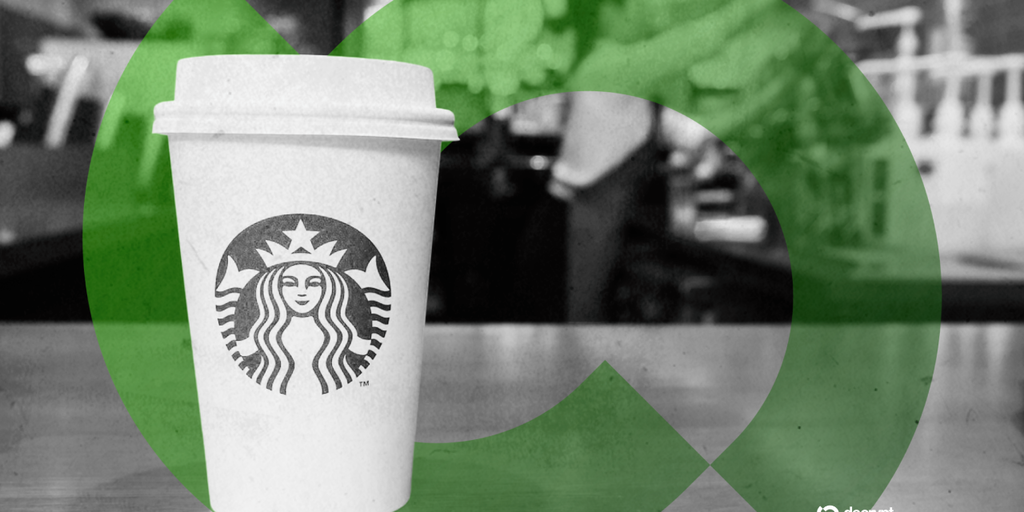
Starbucks launched a beta app within ChatGPT on Wednesday that uses AI to recommend drinks based on user mood descriptions or uploaded photos. The integration allows customers to describe their feelings or share images to receive personalized beverage suggestions.
Users can browse drinks, customize orders, and choose pickup locations within the ChatGPT chat interface, though they must still complete their purchase through the Starbucks app or website—the AI chatbot can’t handle that step, at least for now.
“Over the past year, one thing has become clear: Customers aren’t always starting with a menu. They’re starting with a feeling,” said Paul Riedel, Starbucks’ senior vice president of digital and loyalty, per CNBC. “We wanted to meet customers right in that moment of inspiration and make it easier than ever to find a drink that fits.”
The ChatGPT app joins a growing list of major brands integrating AI chatbots into shopping experiences. Walmart and Target have teamed with OpenAI to integrate ChatGPT into their retail operations, while e-commerce platforms Etsy and travel booking site Booking.com are testing shopping and purchasing through ChatGPT’s interface.
Delivery operators DoorDash and Uber Eats have created ChatGPT apps that allow users to turn recipes into shoppable grocery lists, browse restaurant menus, and place delivery orders.
The ChatGPT integration builds on Starbucks’ existing AI investments. The company already uses AI internally through Green Dot Assist, an AI-powered virtual assistant for baristas built on Microsoft Azure’s OpenAI platform that helps with drink recipes, equipment troubleshooting, and staff deployment. The system went from a 35-store pilot to full deployment across North American stores last November.
The AI-powered customer engagement tool arrives as Starbucks works to reverse a prolonged sales slump. The company’s fiscal first quarter ending Dec. 28 marked its first period of positive U.S. comparable transaction growth after two years of customer losses. Service times at peak hours still run below the company’s four-minute target despite the increased traffic, however, suggesting the company continues seeking new ways to attract and retain customers.
Daily Debrief Newsletter
Start every day with the top news stories right now, plus original features, a podcast, videos and more.